The Hub for Microfinance
A banking service that is provided to unemployed or low-income individuals or groups who otherwise would have no other access to financial services. While institutions participating in the area of micro-finance most often provide lending (micro-loans can range from as small as $100 to as large as $25,000), many banks offer additional services, such as checking and savings accounts, and micro-insurance products; and some even provide financial and business education. Microfinance is a great way to work on the alleviation of financial and spiritual poverty. Check out this video story from Hope International and also some of the best podcasts, posts, and places to get involved, all in one place.
Podcasts | Blog posts | Favorite Microfinance Groups | Working Group | Leading Voices in the Conversation
Recent Podcasts about Microfinance
Podcast Episodes
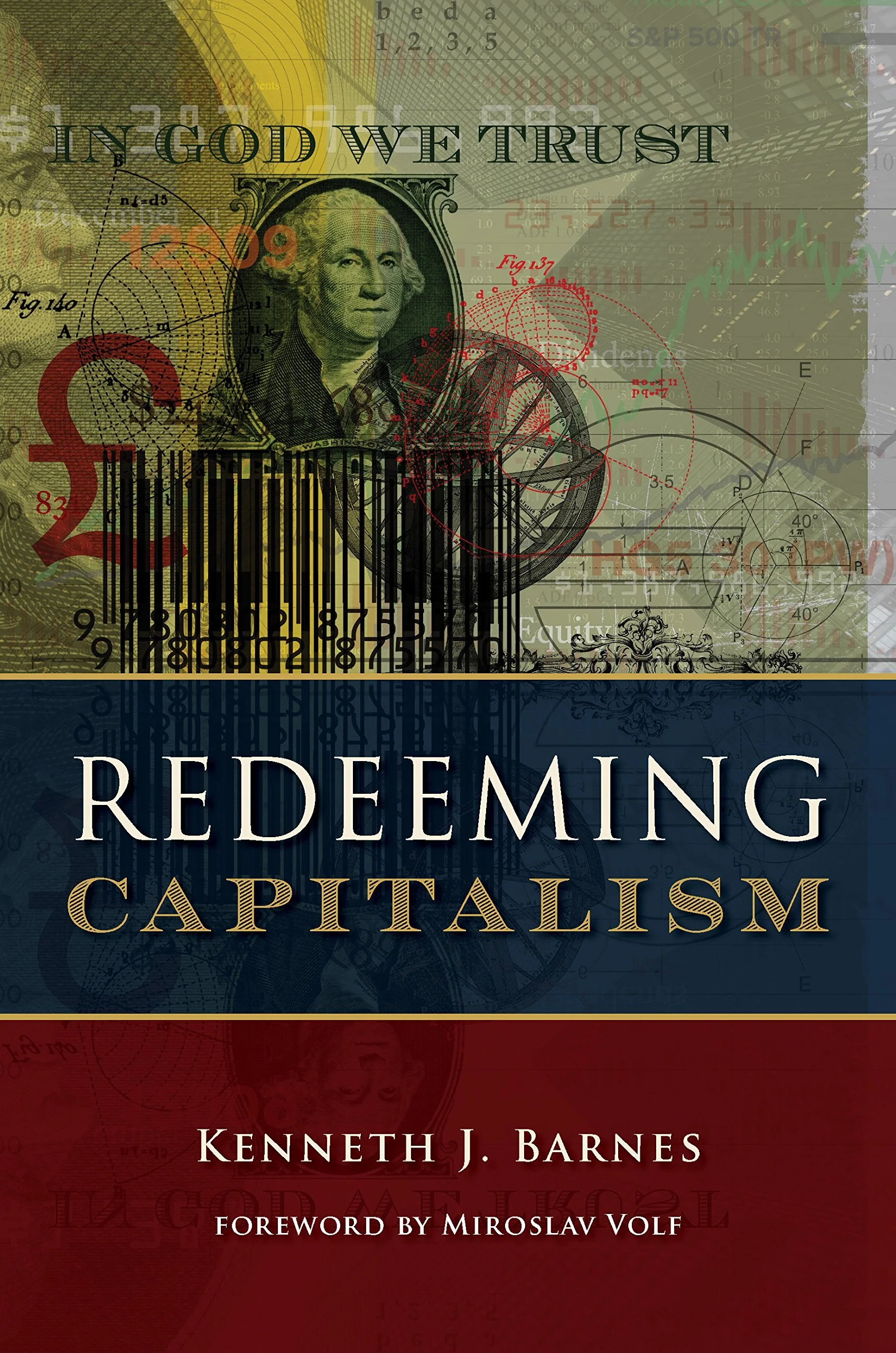
Ken Barnes works as the Director of the Mockler Center for Faith & Ethics in the Workplace at Gordon-Conwell Theological Seminary. He joined us to share a history of the relationship between capitalism and morals, where the two began to separate, and what we can do to bring them back together.
Today’s guest is Greg Lernihan. He is the Co-Founder of Convergint Technologies, which started in a basement in 2001, and is now the world’s largest electronic security firm with over 5,000 colleagues globally. As a thought leader in the Faith Driven movement, Greg shared his insights for those just starting the journey toward faith-driven investing…
We’re so excited to share a conversation today that we think is long overdue. If you’ve been following the website, you’ve no doubt seen the name Jerry Bowyer as we’ve featured several of his blog posts, all of which are must-reads. Jerry is a leading thinker in finance and economics and a frequent contributor for Forbes and Townhall. His writing has been influential in the Faith Driven Investor movement, and we think you’ll enjoy our conversation about reading the Bible, following Jesus, and investing as faithfully as we can…
If you’re worried about COVID-19, today’s special podcast episode might be the resource you need! Todd Wagner is the lead pastor at Watermark Community Church in Dallas, Texas. If that name sounds familiar to you it’s probably because you’ve heard Henry mention it in the intro to this podcast as the location for where we will be hosting our Faith Driven Entrepreneur and Investor Conferences this fall. In addition to being our host and a speaker at the event, Todd is also a great voice in the faith-driven conversation. His words of wisdom—or as his Twitter handle calls them, words from wags—are encouraging, challenging, and uplifting to all who hear them. And with our current events, we could all use encouragement…
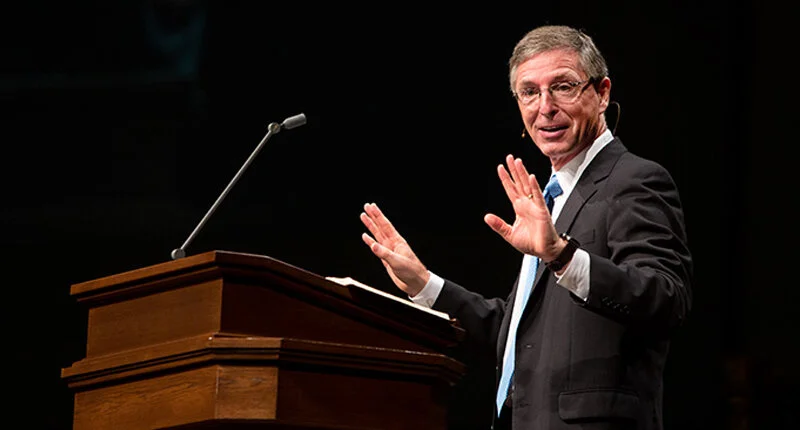
If you’ve been following the Faith Driven conversation, you’ve no doubt heard the name Tom Nelson. He’s been featured on the Faith Driven Entrepreneur podcast twice, and we’re so glad to get to talk to him about the investing side of this conversation. Tom recently wrote a book titled, The Economics of Neighborly Love. In it, he brought his theological insight into the realm of finance, investing, and economics. Hear him talk more about it now…
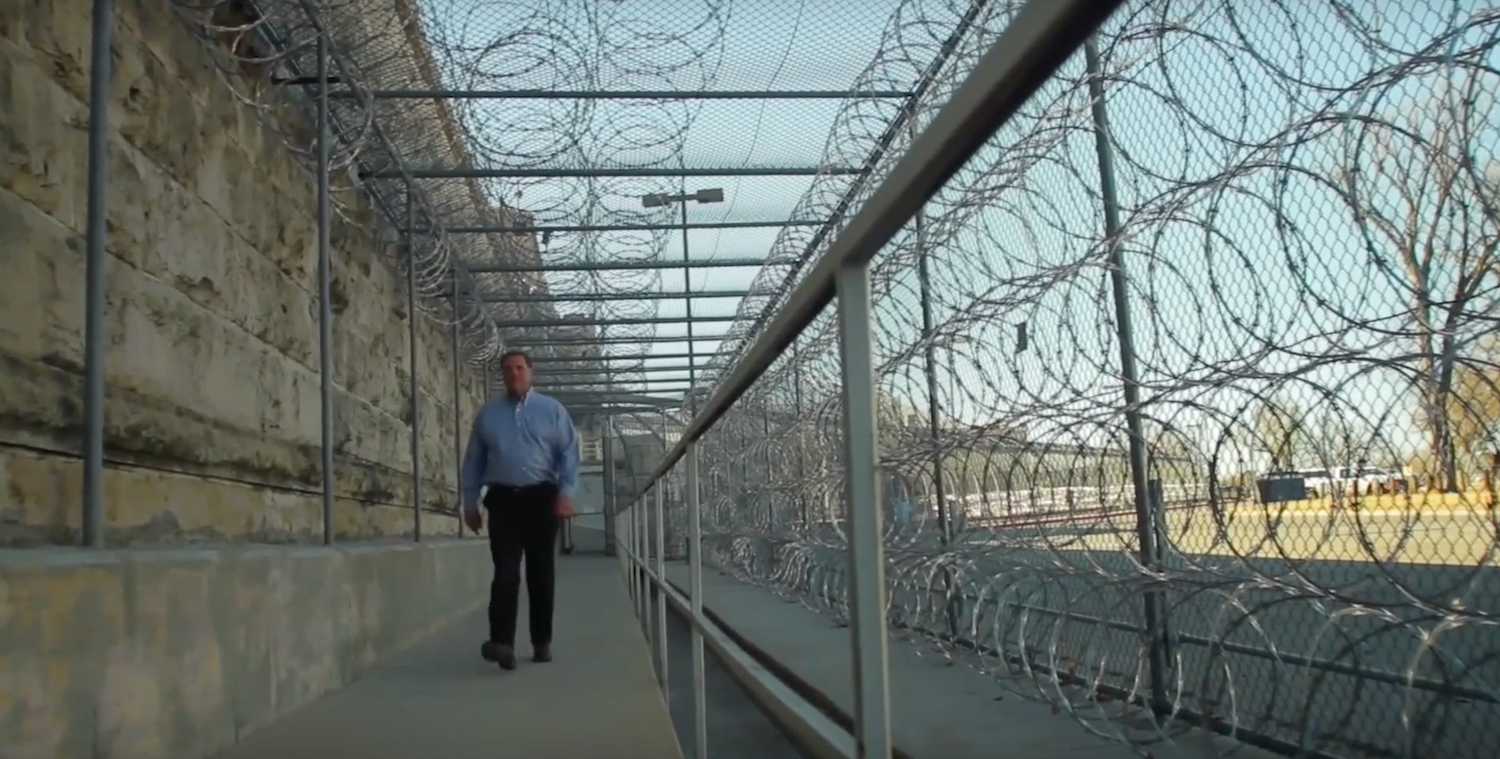
Today’s episode takes us to jail. Well…not exactly. But we are interviewing a man who owns and operates a business that is run out of a high-security prison. His name is Pete Ochs, and in addition to working as founder and chairman of an impact investing company, he’s also working to make Hutchinson Correctional Facility in Kansas the best prison in America. How? Well, the answer has to do with his approach to multiple bottom line investing…
Today’s episode finds us all the way down under—in Australia with our guest Tim Macready. Tim is Chief Investment Officer at Christian Super. He has been responsible for the development of the Fund’s Responsible Investment Approach, which is applied across the entire portfolio and now incorporates Negative Screening and Impact Investing. Tim shared about how he set out to create the “perfect, faith-driven fund”. But then he realized…We’re all sinners. He’s a sinner, every company is led by sinners, and every company is a sinner. He talks openly about how that shifted his perspective, some of the tough decisions it led him to, and how he stewards that calling today. Listen in today…
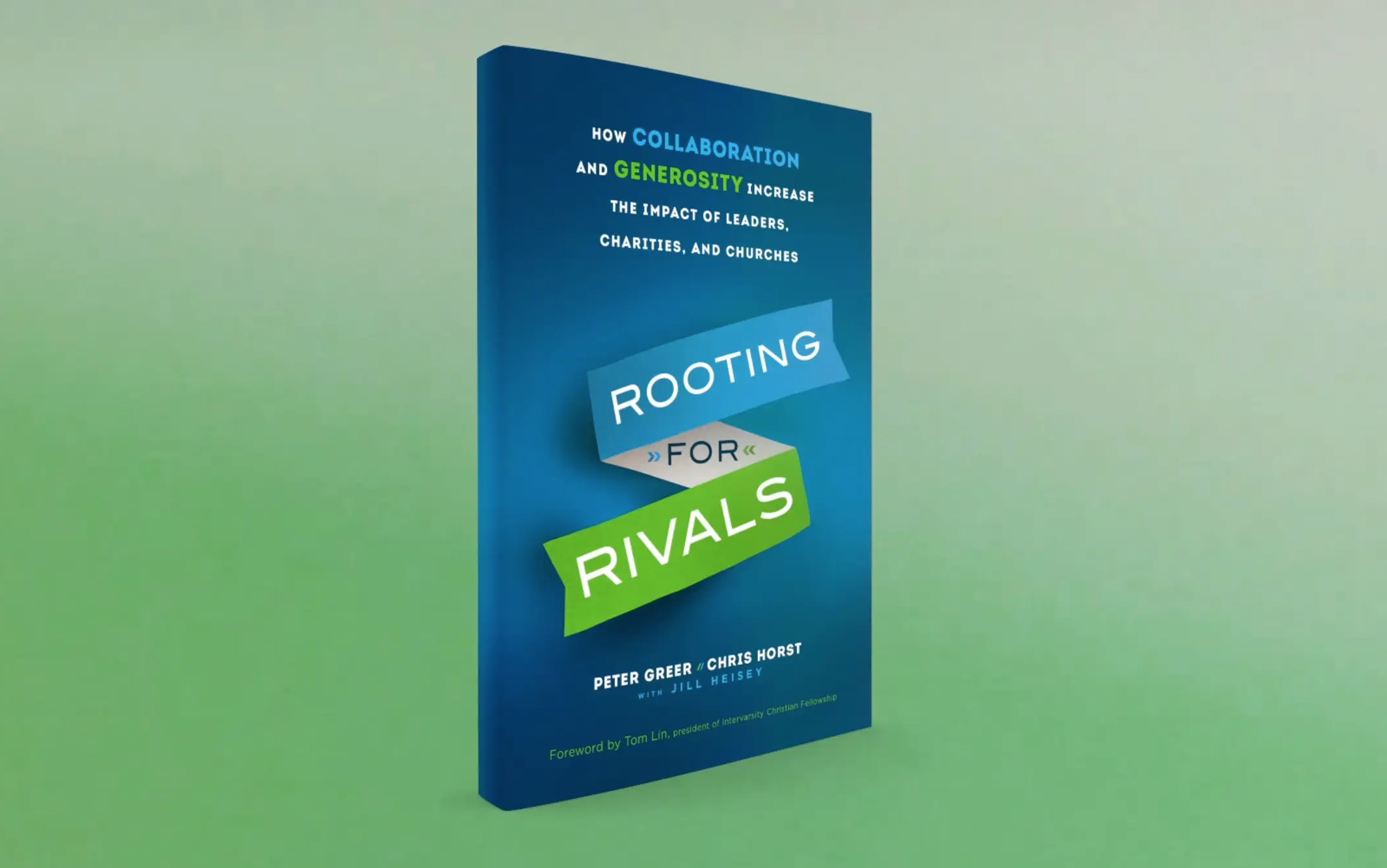
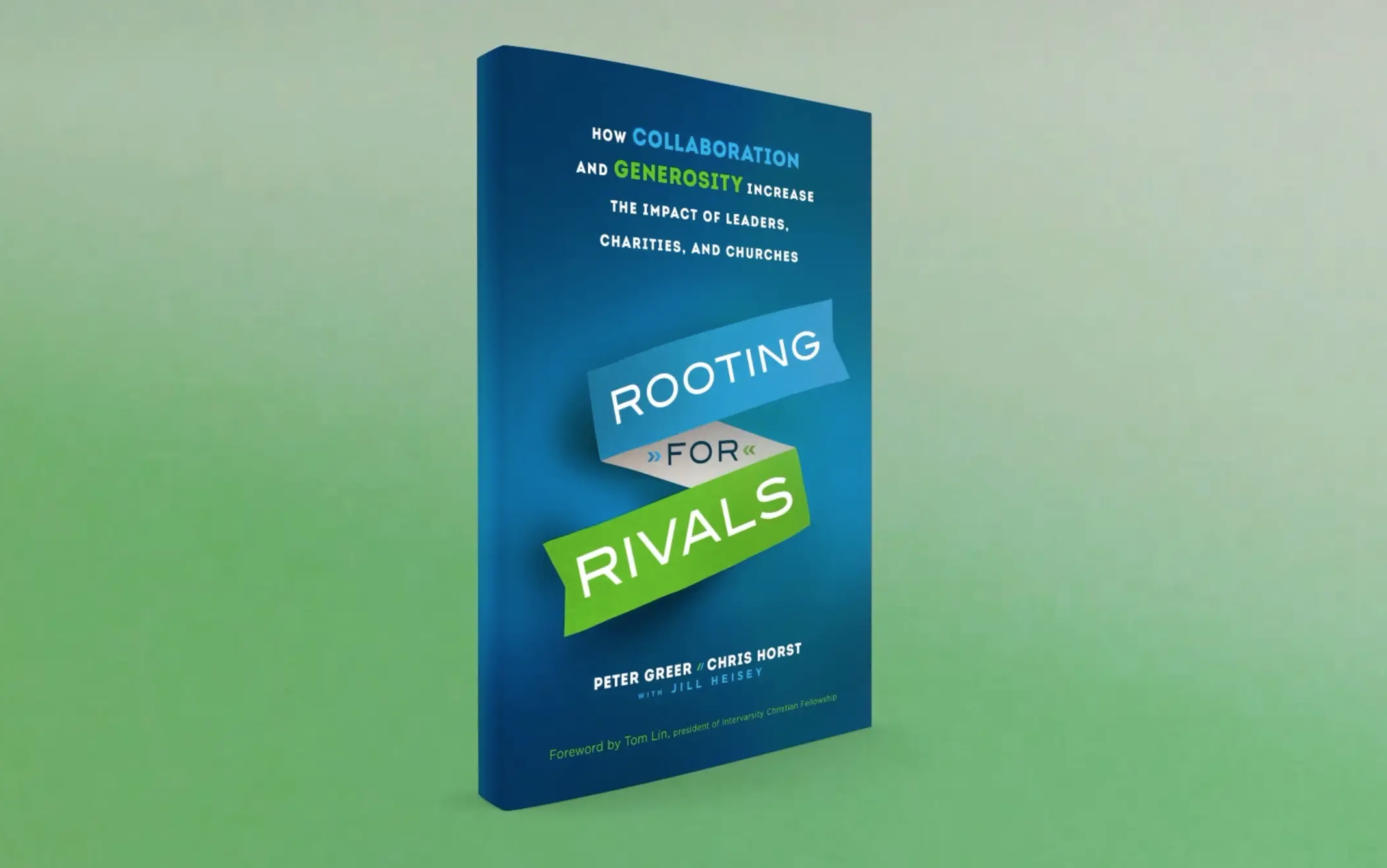
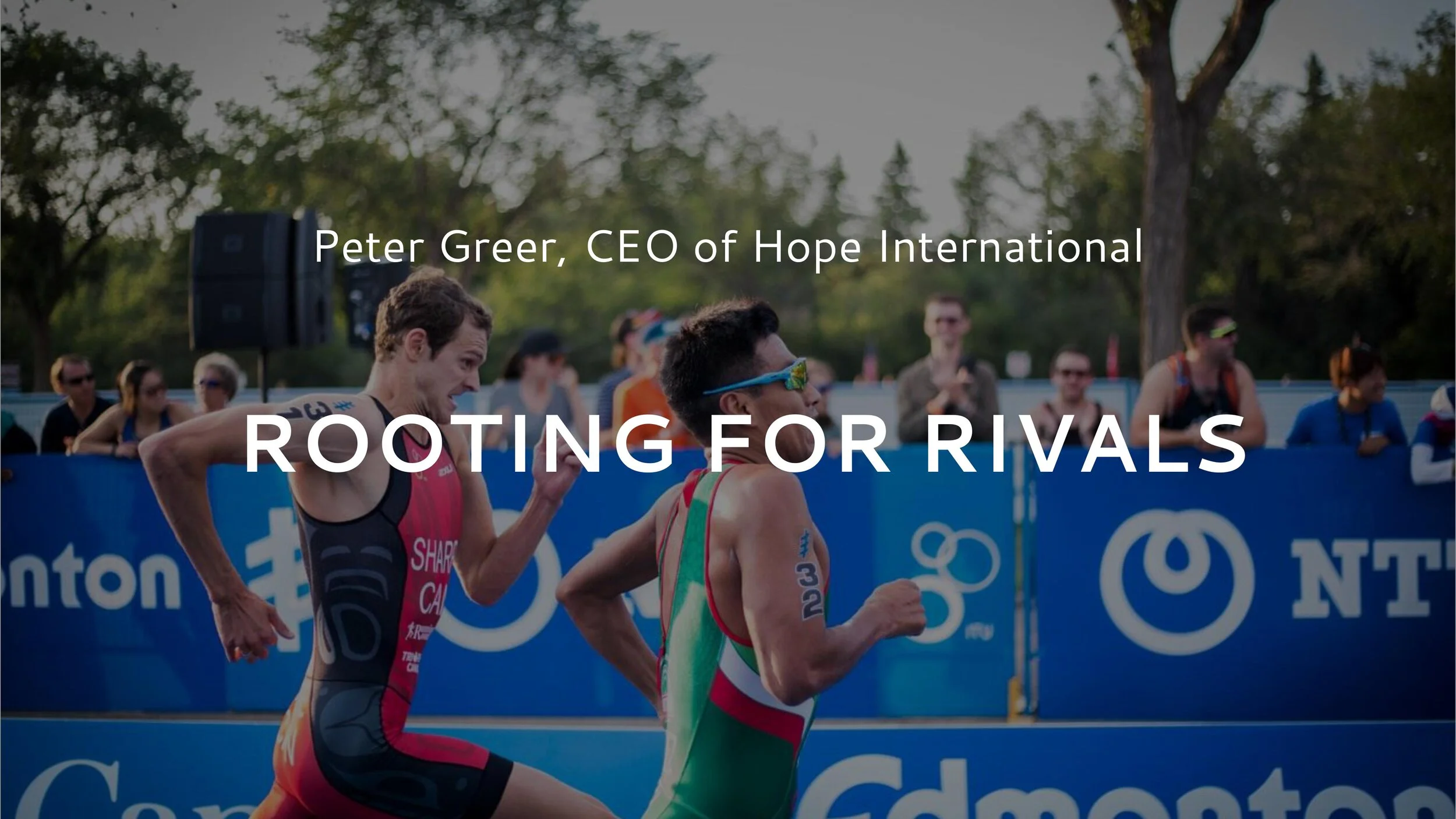
Today we are in Lancaster, Pennsylvania talking with Peter Greer, CEO of Hope International. Specifically, we’re talking to him about his new book, Rooting for Rivals. Peter is going to explain why he believes that leaders in the Faith Driven Investing community can multiple their impact when they focus on collaboration and cooperation. He raises an interesting topic that leads to a great conversation, and we think you’ll be glad you listened in…
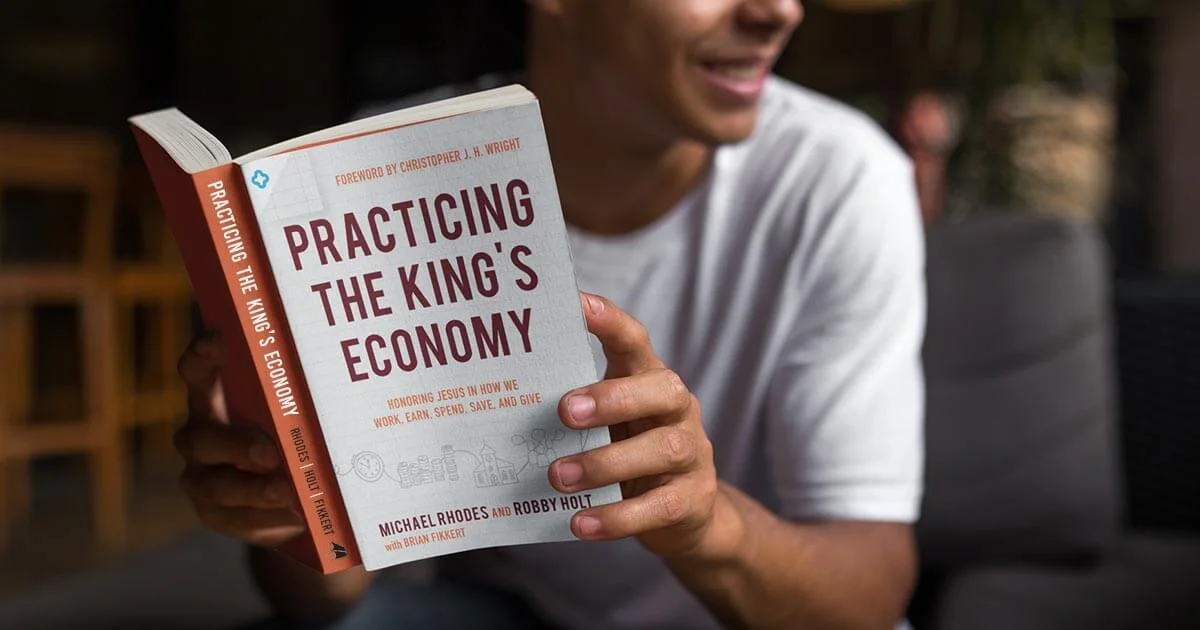
Many of our listeners are familiar with Dr. Brian Fikkert as one of the bestselling authors of When Helping Hurts and several other books. He’s the President of The Chalmers Center for Economic Development, a research and training center that is dedicated to helping groups declare the kingdom of God by bringing economic development and spiritual transformation to the poor. He’s been a part of some fascinating new books that tackle some of the deep ideas of Gleaning and how it affects our view of Faith Driven Investing. Its an idea that they like to say is “Practicing the Kings Economy”. He’s on our podcast to share a little bit about what they learned in the process of writing these new books. Listen in to learn more…
Welcome to the Faith Driven Investor podcast! This is a podcast specifically for fund managers, investors, business owners, and pastors who believe God owns it all and who care deeply about how we steward our investments for financial return and gospel-centered transformation. Today’s first episode features Henry Kaestner and Aimee Minnich. Listen in as they share what God has been doing in this movement and what’s to come.
Recent Posts about Microfinance
The Blog
It’s estimated that Christians manage over 150 trillion dollars. That’s over half the world’s wealth. That’s 200-300x what is given (around the world) philanthropically each year. Capital has influence. Yet many of us are content to let others determine our investment strategy.
At FDI, we are always looking for innovative and inspiring ways to approach finance and capital. In this story below, we get both from a different faith group. In the article, you’ll read about neighbors investing in their neighbors’ houses, avoiding interest, sharing the profits.
Since adolescence, I’ve aspired to work toward a just and sustainable world. My motivation stems in part from feelings of dread and urgency about the trajectory of life on earth and in part from my desire to seek shalom, which I define as right relationships between humans, God, and the earth.
HOPE International’s journey into deepened support for SME business owners across our network began in many ways with the Login family of Western Ukraine. We had the privilege of watching as their microbusiness – a bike shop – blossomed into a platform for real impact in their home village, namely, helping adolescents with a tendency to turn their backs on family and fall into drugs and alcohol addiction in their teenage years.
“The goal is not to grow an organization—it’s to build the Kingdom of God.”
Now, if you’ve followed along with us for a while you may remember Peter Greer from an episode we did with him on the Faith Driven Entrepreneur podcast.
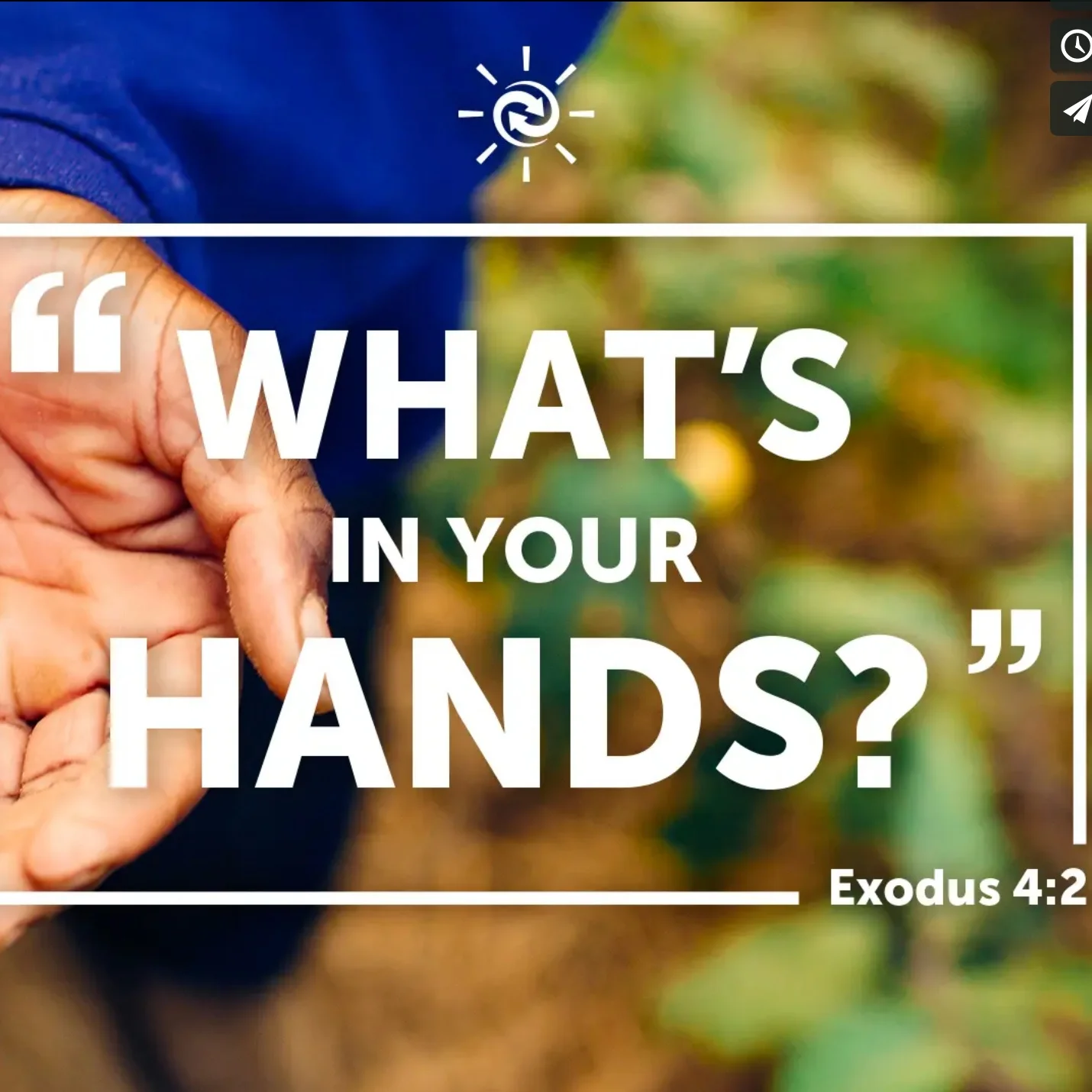
In Scripture, when God’s people approach Him with their dreams and desires, He sometimes answers with an unexpected question: “What do you have in your hands?” In this short video, HOPE International explores how God invites His people, both in Scripture and today around the world, to play an active role in restoring brokenness.
Have you ever wondered what it looks like when HOPE invests in the dreams of families? This video will walk you through the process.
No matter where we live or what our income is, we’re all familiar with feelings of loneliness. And for all of us, God is inviting us to step out of our isolation into relationships, into His family the Church. Discover the power of Christ-centered community to fight poverty and call us out of isolation into flourishing.
The greatest cause of human trafficking today might surprise you. It’s debt.
Access to a loan that is not designed to be repaid has been a tool to prey on people in poverty around the world. While human trafficking is the most egregious outcome of predatory lending, it’s not the only one.
Just two hundred years ago, almost the entire world’s population lived in extreme poverty. Today, less than 10 percent do. (In the past forty years alone, the percent of people living in extreme poverty has dropped by over 30 percentage points.)
For a while, microfinance was the hottest trend in global development, promising you could change a poor person’s life with a very small loan. Let them start their own business and get your money back. Then you can go on to transform someone else’s life. Though the promise was not fulfilled, new uses are being found for microloans, ideas we may be able to apply to our own favorite causes.
Microfinance loans, which took off in the decades between 1980 and now have had a different effect than originally expected, but this does not mean failure. To the contrary, research into the effects of microcredit show that these loans opened up a previously unknown financial world to the poor.
A few years ago, while working for an international microfinance organization I had the privilege of undertaking an Executive MBA at the University of Oxford. I was able to combine working for a forward-thinking organization with living in a university town.
To understand the purpose and impact of Faith Based Investing, it is important to look at the fundamental relationship between our faith and money. God and money. Or perhaps more accurately, God or money?


Founder and Chairman of Guardian Bank in India, Collin Timms, describes how banks can provide hope for people.